Guide to Takayasu updated June 2020
Takayasu disease is fully reversible in 4 weeksWeak pulses, blue hands & feet then read on. Evening temperatures and weakness

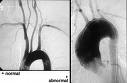
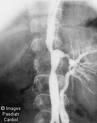

In 1908, a ophthalmologist Dr. Mikoto Takayasu reported ocular changes in a 21 year old Japanese woman. Cases presented through the years put together the criteria for classifications and presentation of Takayasu's Arteritis. By 1975, the disease was named Takayasu's Arteritis and is a affecting large blood vessels.
Takayasu's Arteritis is a , chronic, inflammatory disease affecting larger arteries like aorta and its branches. The subclavian, renal, carotid, and the ascending aorta arteries can be involved.
Takayasu's Arteritis affects more females than males and usually begins in the 2nd or 3rd decade of life. TA is occasionally called "pulseless disease" because there is difficulty in detecting peripheral pulses that sometimes occurs as a result of the vascular narrowing. It is also common for a patient to exhibit vascular bruits, and symptoms of their arterial involvement. The cause of TA is autoimmune
Symptoms may include: headaches, dizziness, fainting, low grade fever, muscle aches, weight loss, circulatory deficit, vision problems, angina, joint pain, claudication, malaise, hypertension, night sweats, stroke, fatigue, stiffness. Symptoms of TIA like weakness or numbness on one side, migraine phenomena like flickering lights in the eye with or without headaches are present.
Young girls with headaches should get a ESR and every young girl with a reduced pulse should get a ESR too.
It should be routine test to do a ESR and CRP in every female patient.
Making the diagnosis of TA can be extremely difficult.
The disease is present for many years before detection , so it can "smolder" in the walls of large blood vessels for many years, causing only minor symptoms, until major complication results. This can eventually lead to occlusion, complete closing of the vessels. There can be major complications resulting, in the dilation of the aorta with stretching of the aortic valve in the heart, resulting in severe valve damage, and critically reduced blood flow to an arm or leg. In addition, a stroke caused by high blood pressure of the blood vessels going to the brain, renal failure, and many other serious afflictions are also possible.
Diagnosis is made by a elevated sed rate (ESR) is usually 50-60 plus clinical findings of a reduced pulse. The patients have cold blue hands, women will not have the usual hand softness. They have tiredness and fatigue, one patient had not gone to scholl for a year. Another marriend young woman had seen a neurologist for headaches. The disease was only diagnosed after her pregnancy when she became stiff and was seen walking slowly. The person suffering from the disease cannot sense the problem but others do.
At cidpusa we have not done any further testing other then ESR. The MRI angio provides therapeutic benifits.
Other abnormalities in the following: angiography (especially of aorta and branches), blood tests :sed rate (ESR), c-reactive protein, Albumin, Globulin and Fibrinogen, complete blood count, biopsy (rarely done do not recommend), chest X-ray, ultrasound, arteriographic MRI data, blood pressure measurements, magnetic resonance imaging studies, electrocardiogram
Diagnosis is simple if you check pulses and get a ESR. Otherwise difficult due to the erratic course of the disease.
Delay in diagnosis is common even when working with physicians experienced in vascular disease.
Treating Takayasu:
If you have Takayasu the doctor treating you will focus on treating the cause as well as the condition. You may be advised to drink more fluid (increase your fluid intake) and to avoid certain drinks such as alcohol and diet cola drinks with a lot of sodium chloride (salt) and/or potassium in them. Your diet should be controlled carefully. Your GP or dietician will give you advice on eating protein and controlling the your intake of processed food, grain and table salt. Your blood ESR will be regularly reviewed to ensure that levels comes below 20 are at the right level and that the amount of fluid in your diet is correct. Your treatment may include corticosteroids and a drug called cyclophosphamide. Other drugs used will relate to the underlying cause of the condition and the body's response to Takayasu . We used Vibramycine/ doxycycline please see our e.book for full details of this protocol. Follow our diet on the diet page..
Treating high blood pressure:
High blood pressure damages the kidney further and causes other health problems. Your blood pressure will be monitored by the doctor treating you and may need to take drugs such as ACE (Angiotensin Converting Enzyme) inhibitors which relax the blood vessels and reduce the workload of the heart.
Treating chronic kidney disease or kidney failure:
In cases of chronic kidney disease or kidney failure, kidney dialysis (using a machine to do the kidneys' job of removing waste products from the body) or a kidney transplant will be needed.
ComplicationsPossible complications vary according to the type of Takayasu but can include:
High blood pressure: This is a common complication of .Takayasu, because the kidneys help control the blood pressure in the body. Many people with .Takayasu are prescribed drugs to lower blood pressure. It is important to take these to protect the kidneys against further damage and also to reduce the risks of heart disease and stroke. If blood pressure is untreated it can lead to heart failure and fluid in the lungs (pulmonary oedema).
Disease in other internal organs: In most patients, .Takayasu affects only the kidneys. However, in some cases, the immune system that damages the kidneys can also affect other parts of the body, for example giving a blotchy red rash on the skin or pain in the joints. Discuss any symptoms you may have with your doctor to see if they could be related to .Takayasu. If you develop a blotchy red skin rash you should see your GP immediately.
Kidney disease or kidney failure: This is rare, but .Takayasu can cause so much damage to the kidneys that they fail completely.
What is autoimmuneToxic Baby products
Infants and women omega-3
Antibiotics
Powered by cidpusa.org